

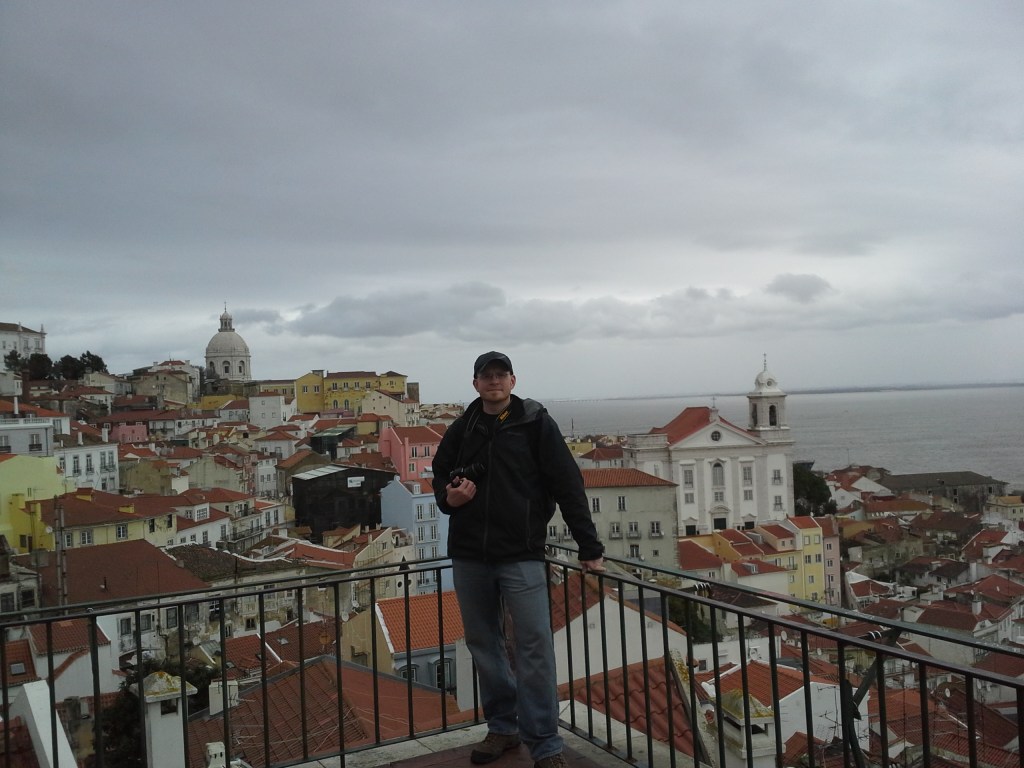



Now, a little about Scott Austin Tirrell.
I grew up in a Massachusetts town so small and half-forgotten that even people who live nearby sometimes squint at the name like it’s a rumor. It wasn’t the kind of place that handed you a clear story about the future. It was the kind of place that taught you to make stories—because the woods went on forever, the roads curved away into nowhere, and the past didn’t feel past. It felt nearby. Present. Lurking in the margins.
There were no traffic lights, but there were long stretches of country road that seemed designed to lead you into mistakes. There were old properties and abandoned structures that didn’t read as “empty” so much as “waiting.” A long-abandoned quarry, hinting at former grandeur. A whispering state hospital that sat like a sealed mouth. And strangely, a freak tornado that cut through its center and left behind the lingering sense that nature could reach down and rewrite life in a single afternoon. It all felt haunted, not in apparitions, but in a visceral unease.
Whether these places were truly haunted or simply the kind of environment that trains a kid’s imagination to listen harder, the result was the same: I learned early that the world has seams—and that if you press on them, you sometimes feel something press back.
That atmosphere didn’t make me a writer all at once. It made me the kind of person who pays attention. To silence. To dread. To beauty. To the strange pull of places that history has chewed on. To the way a story can form in the mind simply because a landscape refuses to explain itself.
At eighteen, I left home with the usual bright, contradictory ambitions of someone who hasn’t been humbled yet. I flirted with music. I was accepted into Berklee in Boston, convinced for a moment that a life built on drums, jazz, and late-night devotion might be my destiny. Then reality entered the room. The starving-artist path didn’t feel romantic when it hit the concrete of school loan debt, so I pivoted hard—into psychology, as if exchanging one mystery for another would make the future behave.
I did well. I graduated with honors. I chased the idea of academia—professorship, research, the clean architecture of a life that looks stable from the outside. And then I met my nemesis: the GREs. I was able to hide my math kryptonite for a time, but this hurdle seemed too great. I studied. I told myself I just needed a few months. That turned into almost a year, but I never built the confidence to take the test. I had let that part of my brain lapse, and I didn’t have all the fancy methods that we have now to learn. That sounds like a joke, but it wasn’t funny at the time. It was the first real lesson I learned about how fragile plans are. You can do everything “right” and still discover that one locked door changes the entire shape of your life.
What followed was not glamorous. I wound up at the U.S. Postal Service, living with my parents, watching the future narrow day by day into something practical and small. It’s an easy thing to romanticize in hindsight—“dark night of the soul,” “finding myself,” all that. The truth is simpler: I was scared. I felt stuck. And I knew, with the particular clarity that only desperation brings, that if I didn’t make a drastic change, I’d wake up one day and realize I’d accepted a life I never chose.
So I left.
A minor in Asian history had given me a fascination with China, and fascination has always been one of my most reliable compasses. In December of 2004, I signed a six-month university teaching contract in Baoding City, Hebei Province. If you’ve never heard of Baoding, you’re not alone. It’s the kind of place people rarely choose for a dream. Industrial. Heavy. Polluted. Real. And that was exactly what I needed: a world that didn’t care who I thought I was, a place that would force me to become someone new.
China became a crucible. I taught English to everyone from CEOs to kindergarteners. I navigated a culture that constantly challenged my assumptions and rewarded curiosity. I learned what it felt like to be the outsider in every room—how exhausting it can be, and how clarifying. I found love in a place I never expected to find anything permanent. Six months became two years. And somewhere in the middle of that upheaval, I wrote my first novel.
That’s the part that matters most, because writing wasn’t a hobby I “picked up.” It was a lifeline. It was the only way I knew how to metabolize what I was living through—to take the strange, the lonely, the beautiful, the suffocating, the exhilarating, and turn it into something shaped. Writing let me build order without pretending the world was orderly. It let me ask questions that didn’t have polite answers.
I’ve been chasing those questions ever since.
My fiction lives in speculative spaces—dark fantasy, paranormal edges, worlds where faith, power, and morality are not neat categories but living traps. I’m drawn to isolation and pressure: characters cut off from comfort, locked inside systems, forced to confront who they really are when the mask no longer earns them rewards. I like the moment when someone discovers that the structure they trusted—religion, empire, family, even love—has teeth. I like the moment when “redemption” stops being a soft word and becomes a brutal act.
If I have a recurring obsession, it’s this: the stories we tell ourselves to survive can be sacred, and they can also be lies. Sometimes they’re both.
I’m influenced by writers who aren’t afraid to walk into the dark with elegance and nerve—Clive Barker’s velvet menace, Frank Herbert’s scope and spiritual machinery, and the harder, grittier edge of modern dark fantasy. I’m also drawn to writers who understand culture, displacement, and the quiet violence of systems. (Pearl S. Buck remains a strange but fitting companion on my shelf—proof that empathy and atmosphere can be as sharp as any blade.)
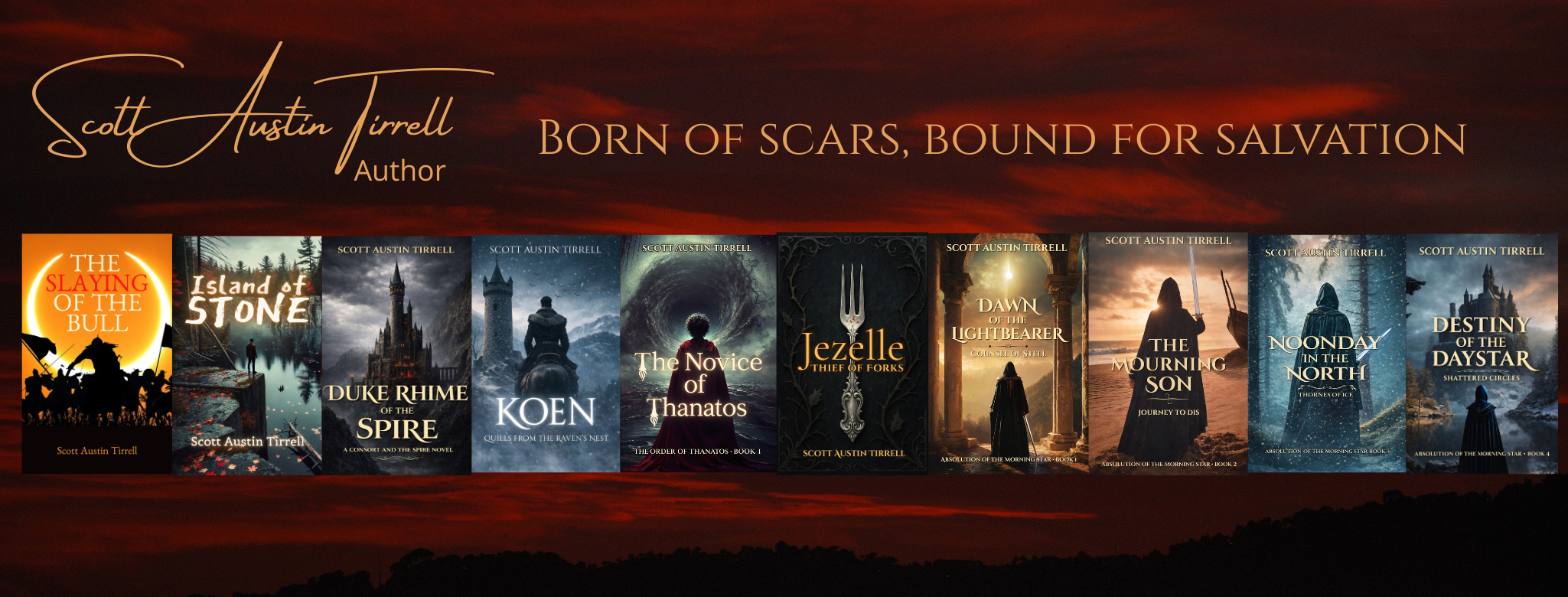
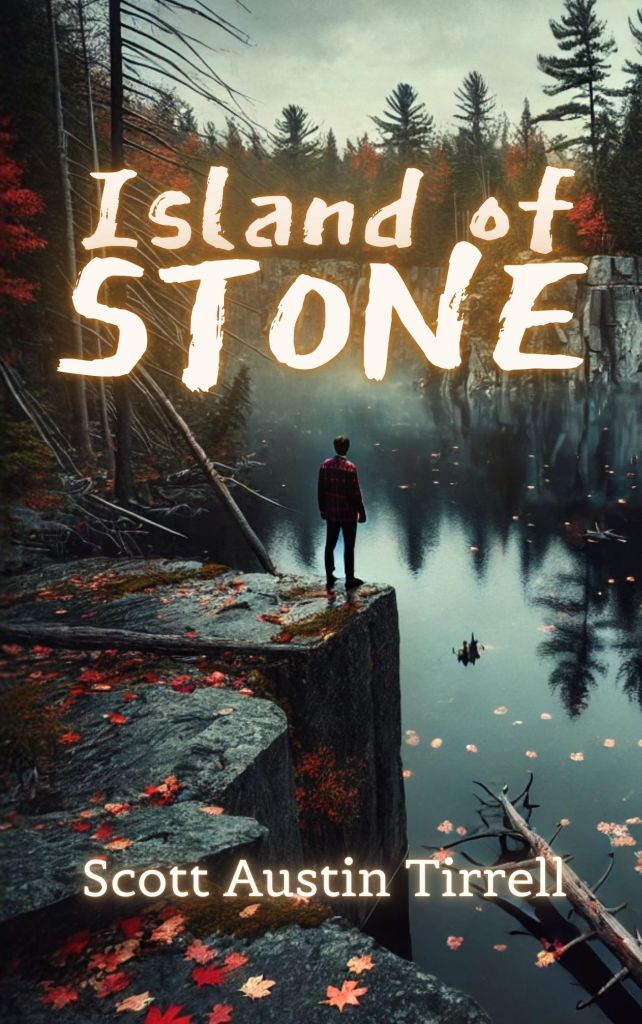
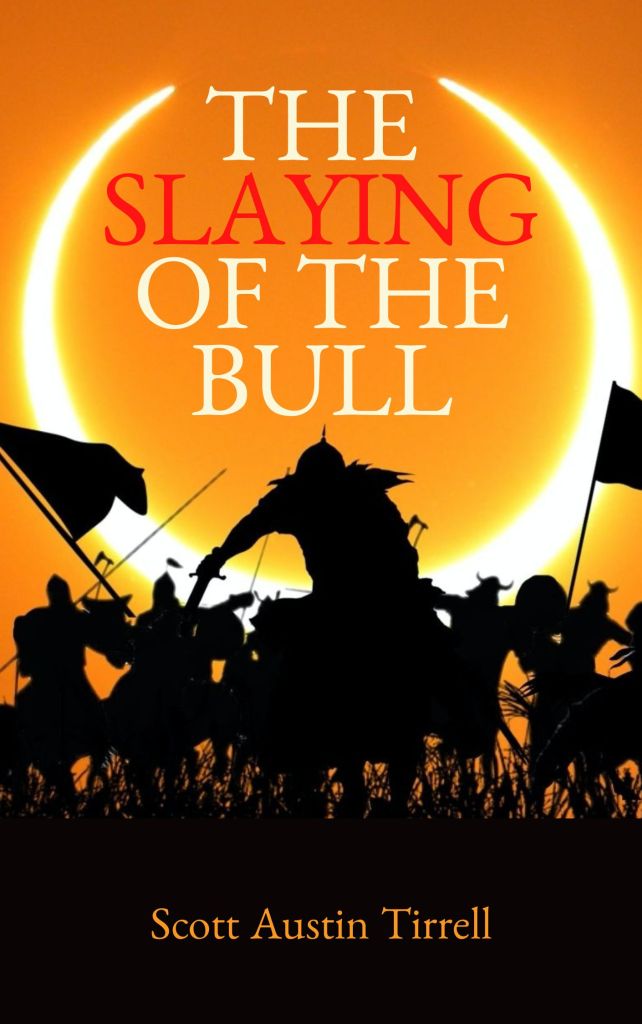
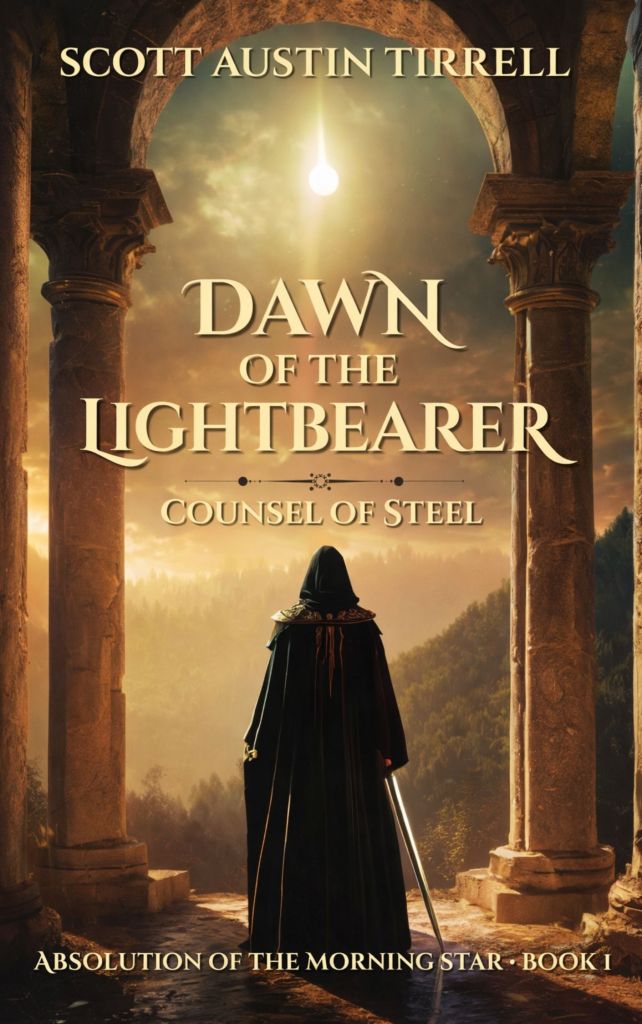
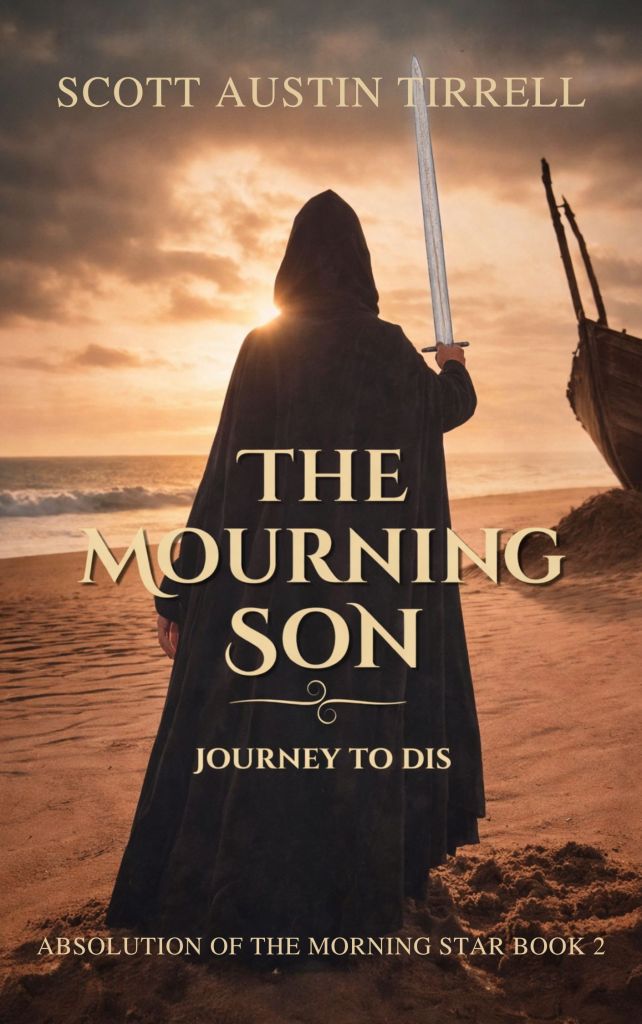
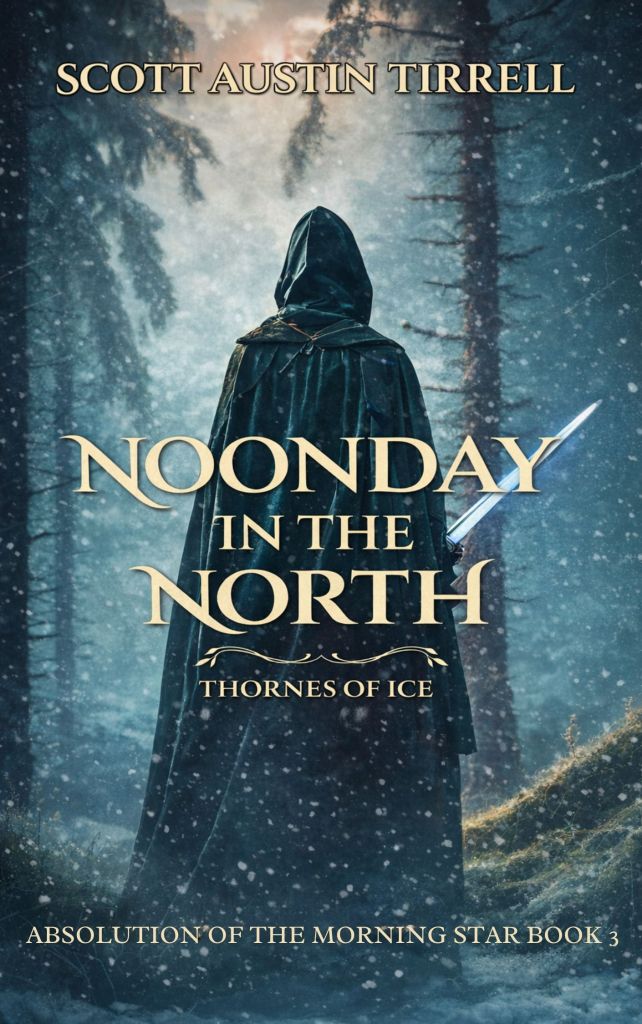
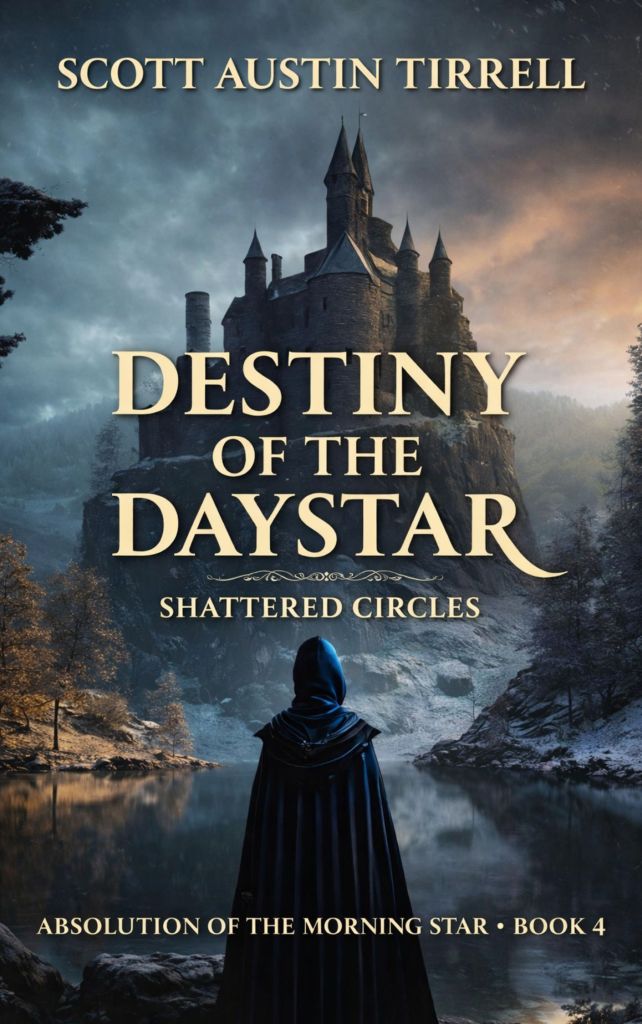
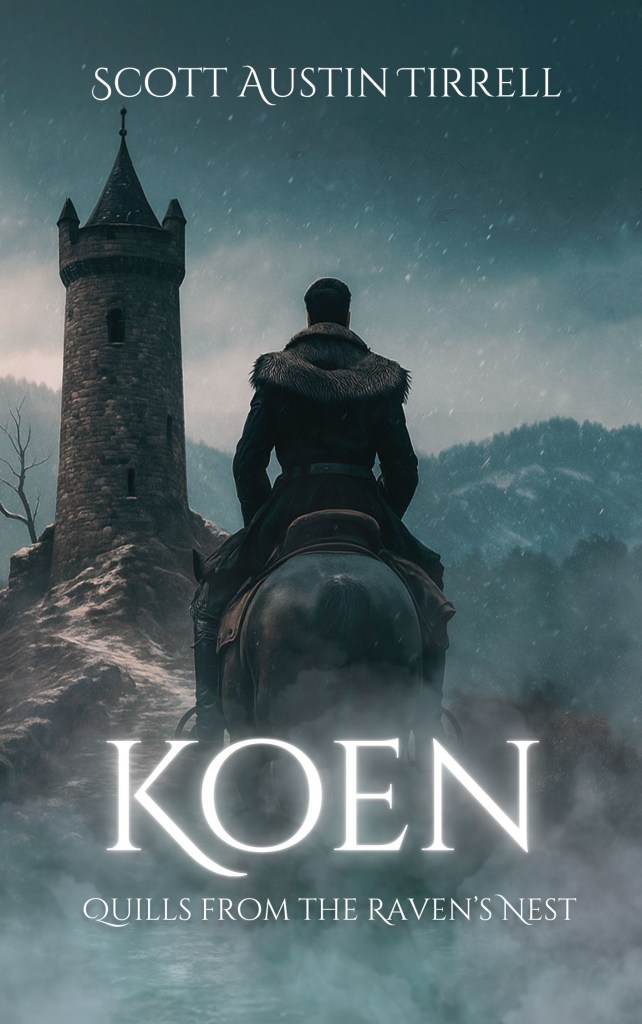
Over the last two decades, I’ve written steadily—sometimes obsessively—building a body of work that has grown darker, stranger, and more deliberate with time. My books include The Island of Stone and The Slaying of the Bull, early novels that taught me how to finish what I start. I’m best known for the Absolution of the Morning Star series—Dawn of the Lightbearer, The Mourning Son, Noonday in the North, and Destiny of the Daystar—an epic dark fantasy saga rooted in flawed souls, ancient powers, and the high cost of faith. I’ve also written Koen: Quills from the Raven’s Nest (Grendel Press), a stand-alone prequel set in that world, and delved deeper into Lucardia with The Novice of Thanatos, a first-person tale shaped like a confession and sharpened like a knife.
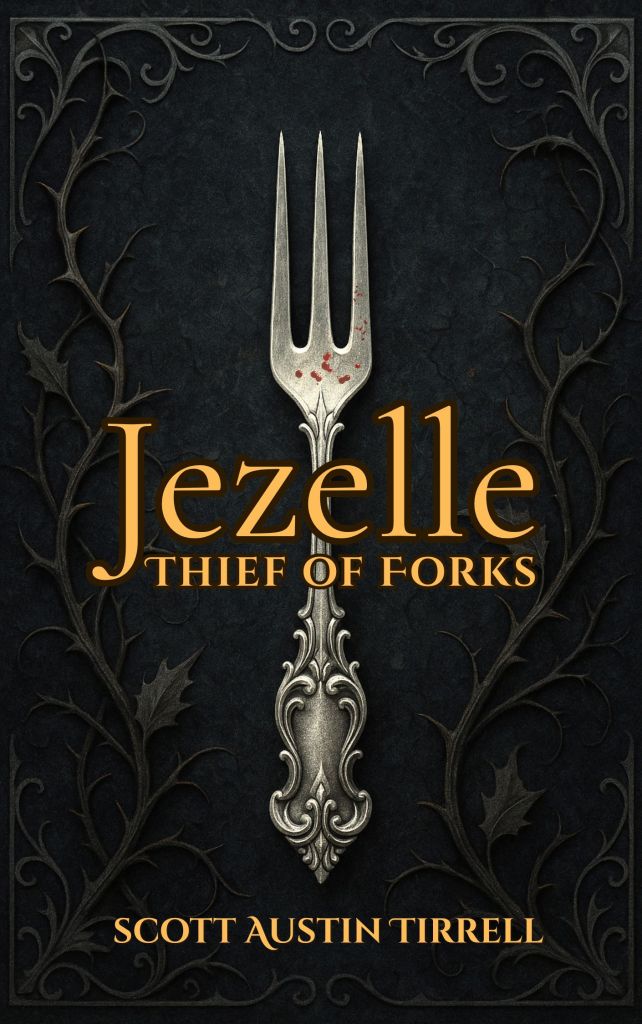
More recently, I’ve explored different corners of my imagination with Duke Rhime of the Spire, a dark fantasy romance steeped in history, hunger, and mythic rot. And lastly, Jezelle: Thief of Forks, a story that leans hard into survival, grit, and the brutal poetry of coming-of-age when the world offers you no mercy.
As to what I’m currently working on, there is The Monk of Thanatos, the sequel to The Novice of Thanatos—a deeper descent into the Order, its secrets, and the long, slow realization that the afterlife may not be a release at all. And a very new work, hesitantly titled The Last Knight of Norn, that is very much an infant.
That’s the spine of my work: worlds where morality is complicated, power is predatory, and the soul is not a metaphor—it’s currency.
Outside of writing, I’m restless in the best way. I travel. I paint and draw. I drum. I build things with my hands—carpentry, small projects, anything that reminds me creativity isn’t only a mental act. Those other practices keep me honest. They also keep me grounded in a physical reality, which matters when you spend so much time building unreal ones.
These days, I live in the Boston area with my wife and work as a higher education administrator at MIT. My writing happens on weekends, at night, in stolen hours—because that’s how most real passions survive: not as a fantasy of endless time, but as a commitment you keep making when life insists you can’t.
I don’t write because I believe stories will save the world. I write because stories have saved me—again and again—by giving shape to fear, beauty, grief, wonder, and the questions that refuse to shut up. I write for the readers who feel that pull toward the in-between places. The twilight hours. The haunted edges. The uncomfortable truths you find when you dig too deep.
If that sounds like you, you’re in the right place.
My mission is simple: I write stories that confront humanity’s shadowed edges—tales of broken souls, lost gods, and dangerous truths. At their heart is the relentless struggle for identity and redemption, where survival itself becomes defiance, and light and darkness are never absolutes.
And my promise is this: my books offer more than adventure. They deliver dark, thought-provoking narratives that scar and save, lingering long after the last page. In Lucardia, mortality is currency, power is a lie, and every soul must choose how to endure.
So welcome. Explore the worlds. Start wherever your curiosity bites first. And if you’re the kind of reader who likes to walk into the dark asking What if?—bring a lantern.
There are more stories waiting.
Want to know more? Explore my writing journey, dive into the world of dark fantasy, and find out why I chose this shadowy path. You can also find my author’s interview with Grendel Press here.
