



Prehistory
I grew up in a Massachusetts town so small and half-forgotten that even people who live nearby sometimes squint at the name like it’s a rumor.
It wasn’t the kind of place that handed you a clear story about the future. It was the kind of place that taught you to make stories. The woods went on forever, the roads curved away into nowhere, and the past never felt entirely past.
There were old properties and abandoned structures that didn’t seem empty so much as waiting. A long-abandoned quarry and old mill buildings hinted at former grandeur. A shuttered state hospital sat like a sealed mouth. A freak tornado once cut through the center of town and left behind the uneasy lesson that the ordinary world could be rewritten in an afternoon.
Whether any of those places were truly haunted hardly matters. They taught me to listen.
To silence. To dread. To beauty. To the strange pull of places history has chewed on.
I learned early that the world has seams—and that sometimes, if you press on them, something seems to press back.
At eighteen, I left home with the usual contradictory ambitions of someone who hadn’t been humbled yet. For a while I thought music would be my life. I was accepted into Berklee College of Music, one of the best, and imagined a future built around drums, jazz, and late nights.
Then student-loan arithmetic introduced itself.
So I traded one mystery for another and studied psychology.
I graduated with honors and briefly imagined academia: research, professorship, the clean architecture of a future that appeared sensible from the outside. Then came the GREs and, more specifically, the mathematics section. I studied for months and eventually managed the rather impressive feat of never taking the test at all.
That was one of my first lessons in how unreliable plans can be.
I eventually wound up working for the U.S. Postal Service and living with my parents, watching life become steadily more practical and considerably smaller. There is probably a romantic version of this story involving self-discovery. Mostly, I was scared.
Eventually I decided being scared somewhere else might at least be more interesting.
A minor in Asian history had left me fascinated by China, so in December 2004 I signed a six-month contract to teach at a university in Baoding City, Hebei Province.
Six months became two years.
China rearranged me. I taught everyone from kindergarteners to corporate executives. I learned what it meant to be the outsider in almost every room. I encountered a culture that constantly challenged assumptions I hadn’t even realized I possessed. I found love there.
And somewhere in the middle of all of it, I wrote my first novel.
Writing became the way I made sense of things. Not by making the world orderly, but by giving disorder somewhere to go. Psychology had taught me to wonder why people become who they become. China had taught me how profoundly culture and circumstance shape the answers. Fiction gave me a place to ask the questions without pretending they had simple solutions.
I’ve been asking them ever since.
My writing
Most of my fiction now takes place in Lucardia, a world I have been building across novels, series, histories, and characters for years.
I tend to write about people who discover that the world is not behaving the way they were taught it should. Sometimes the government fails them. Other times the religion does. Perhaps it is family. Occasionally the gods themselves turn out to be unreliable.
What interests me most is what happens afterward.
My background in psychology probably has something to do with that. I’m fascinated by the stories people tell themselves about who they are, what they believe, and what they deserve—and by what happens when experience tears those stories apart.
Lucardia gives me an enormous stage on which to explore those questions. It has emperors and witches, thieves and monks, haunted forests and ruined kingdoms, but those things only matter to me because people have to live among them.
That is also why my writing has changed over time. The deeper I’ve gone into Lucardia, the more interested I’ve become in getting close to individual characters: the things they fear, the ridiculous things they say to one another, the compromises they make, the people they love, and the ways survival alters them.
I want the world to feel enormous, yes, but I also want the people inside it to feel painfully human.
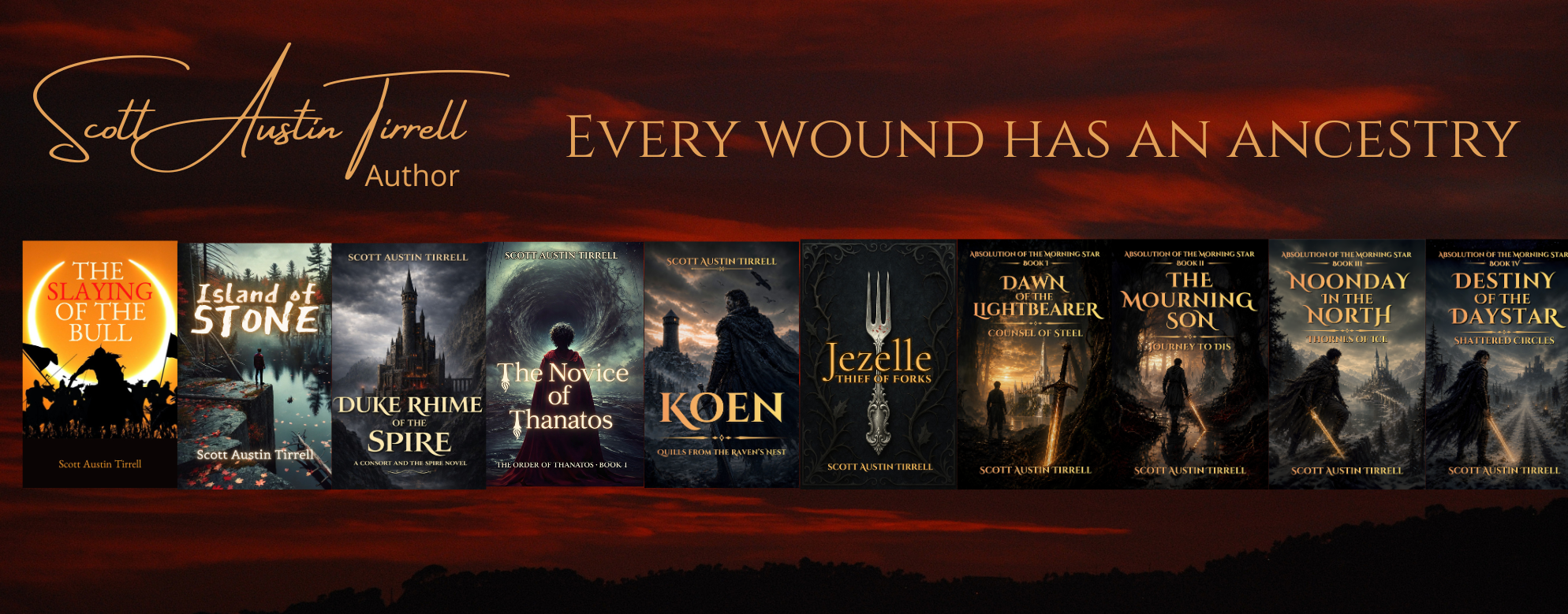
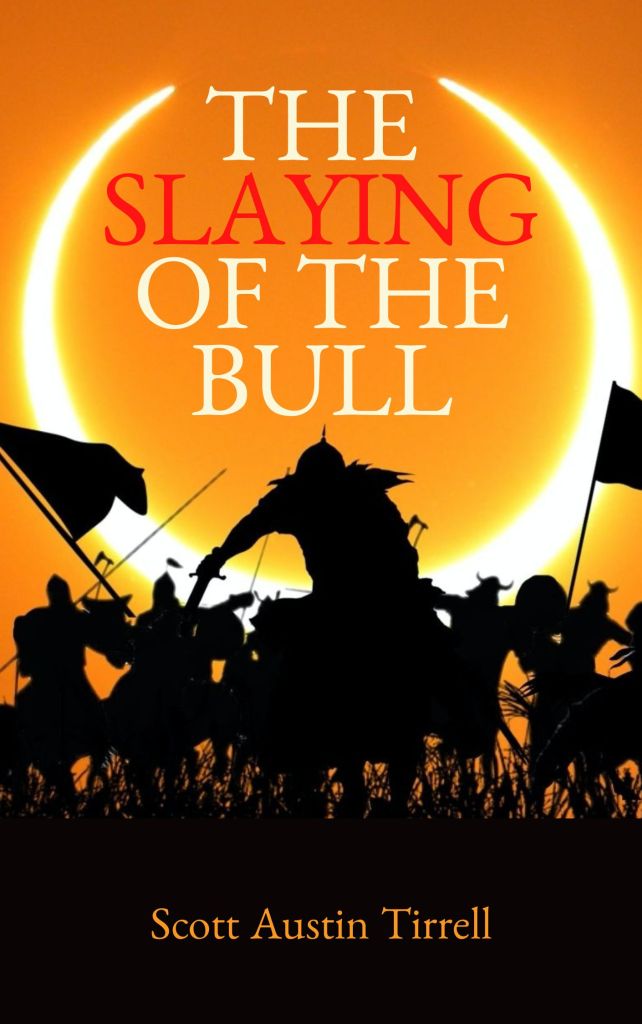
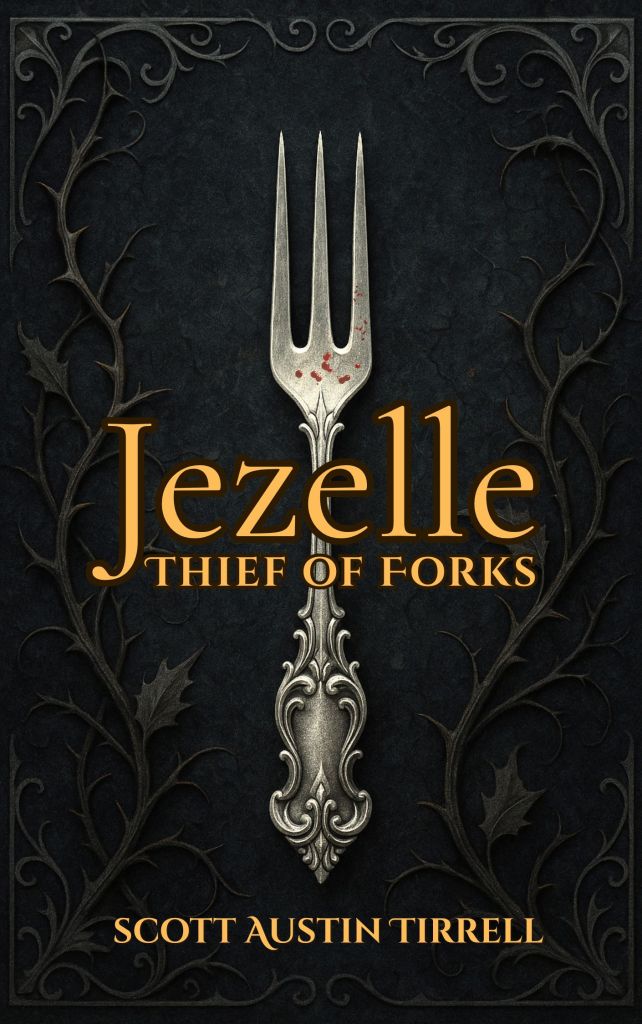
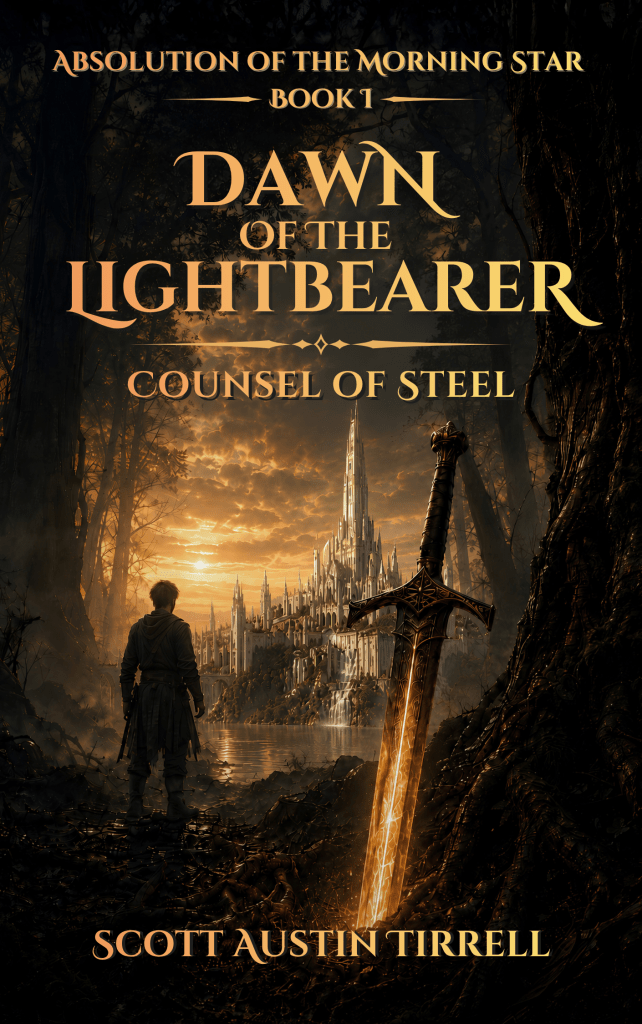
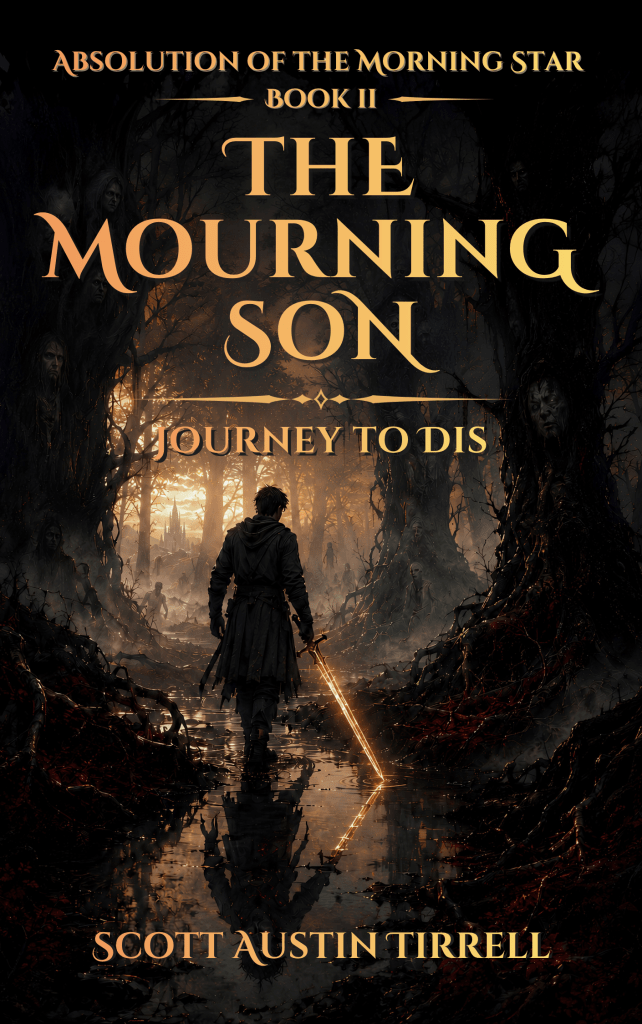
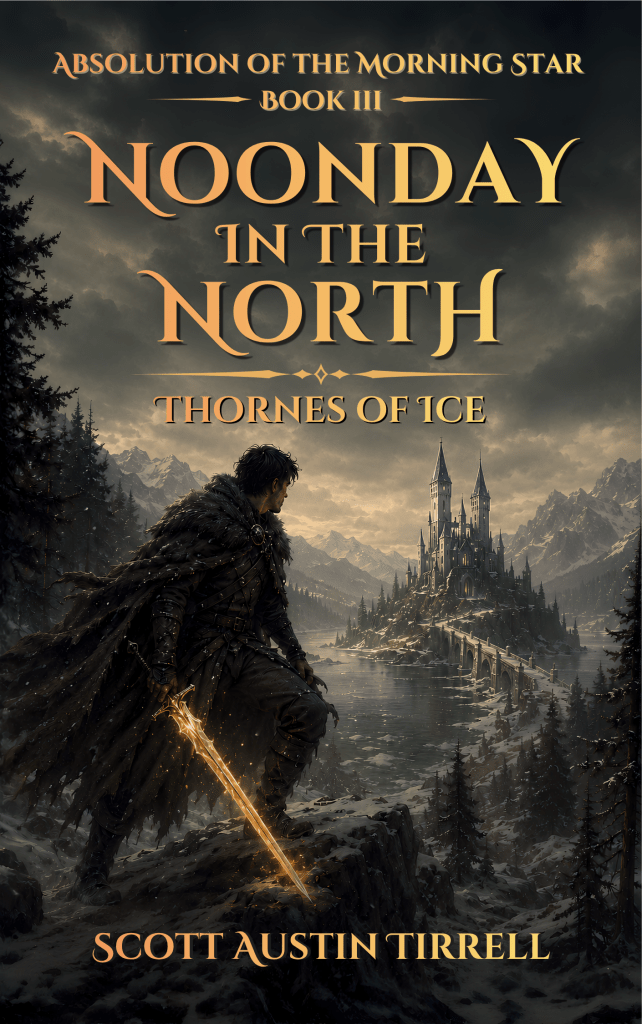
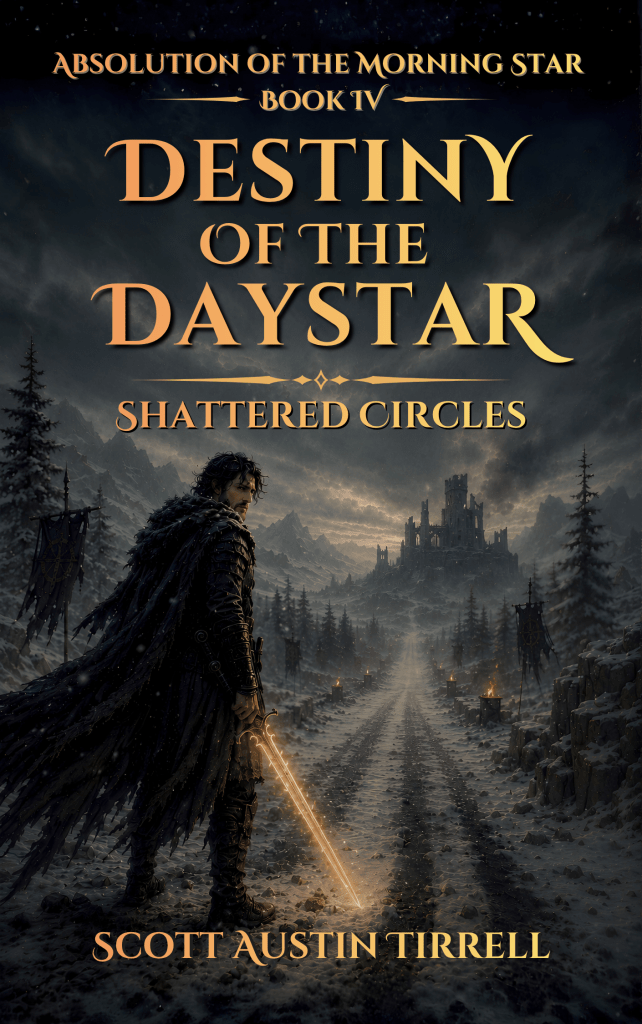
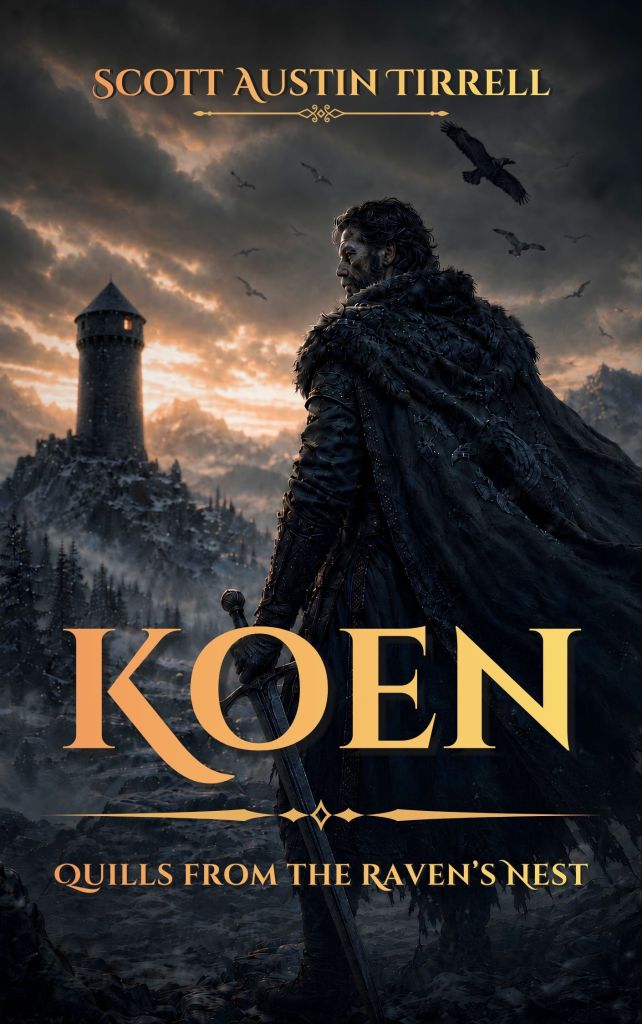
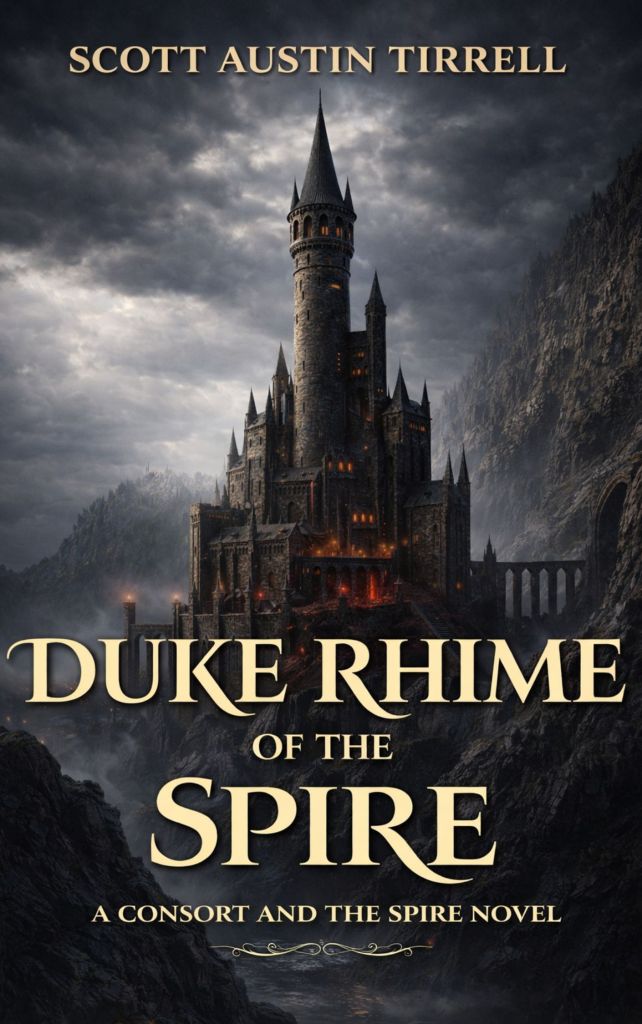
My published work includes the Absolution of the Morning Star series and a growing collection of interconnected Lucardian stories, including Koen: Quills from the Raven’s Nest, The Novice of Thanatos, Duke Rhime of the Spire, and Jezelle: Thief of Forks. You can find the complete catalog and reading paths elsewhere on this site.
At the moment I’m continuing to expand the world through several projects, most notably Sylvanus, the sequel to Koen, and The Monk of Thanatos.
Apparently I still haven’t found the edge of Lucardia.
When I’m not writing
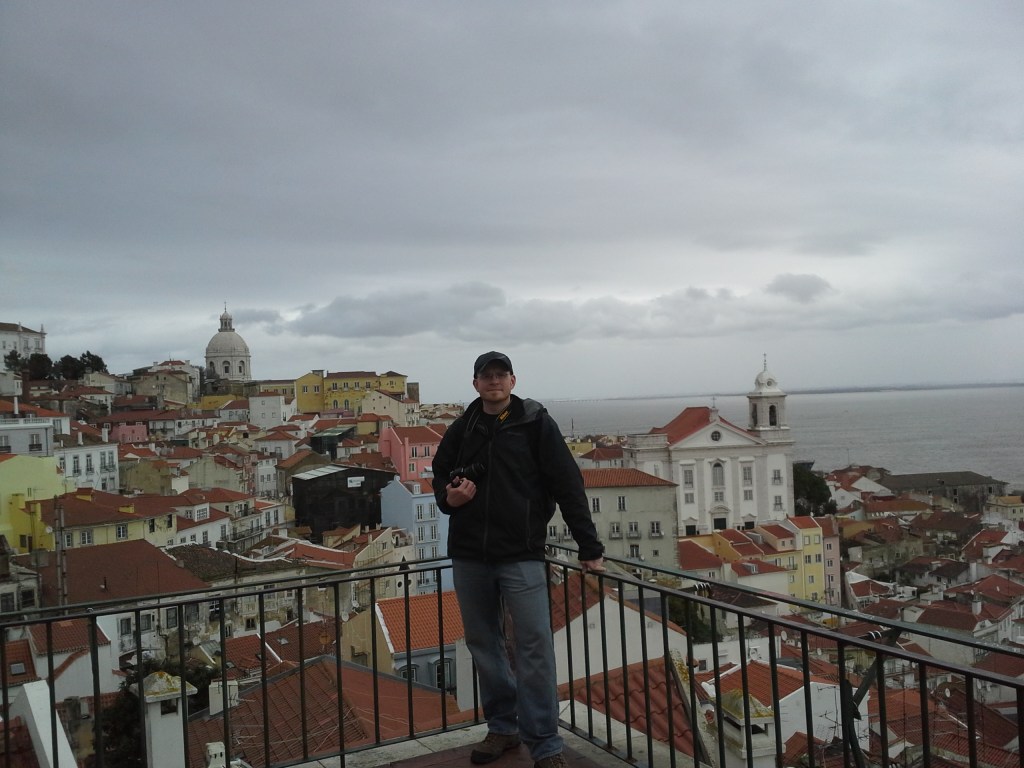
I draw and paint. I drum. I travel whenever I can. I build things with my hands—carpentry, repairs, little projects that remind me creativity does not have to occur entirely between my ears.
I live in the Boston area with my wife and work in higher education administration at MIT.
Writing happens mostly at night, on weekends, and in whatever hours I can steal from everything else. I used to imagine that serious creative work required some mythical future in which life finally cleared the calendar and gave me permission.
It never did.
So I stopped waiting.
Why I keep doing it
I don’t write because I believe stories will save the world.
I write because stories have repeatedly helped me make sense of it.
I’m interested in the uncomfortable questions—the ones without clean villains or easy absolution. I’m drawn to darkness because it makes the light matter more. But darkness alone doesn’t interest me very much. The people moving through the shadows do. The strange ways they endure. The things they believe when belief becomes difficult. The friendships and jokes that survive in terrible places. The possibility that someone can be damaged without being emptied of humanity.
And I write for readers who like to disappear into another world for a while and discover, somewhere along the way, that they have become attached to the people living there.
If that sounds like you, welcome. There are more stories waiting. But bring a lantern, because it can get dark.
Cheers!
