
What do you do when your writing passion is something no one wants to read? I wish I had the answer to this question because it would make a great post and give me a whole lot of relief, but unfortunately, I do not have the answer. It would be ideal if your writing always meshed with an audience, but sometimes that doesn’t happen.
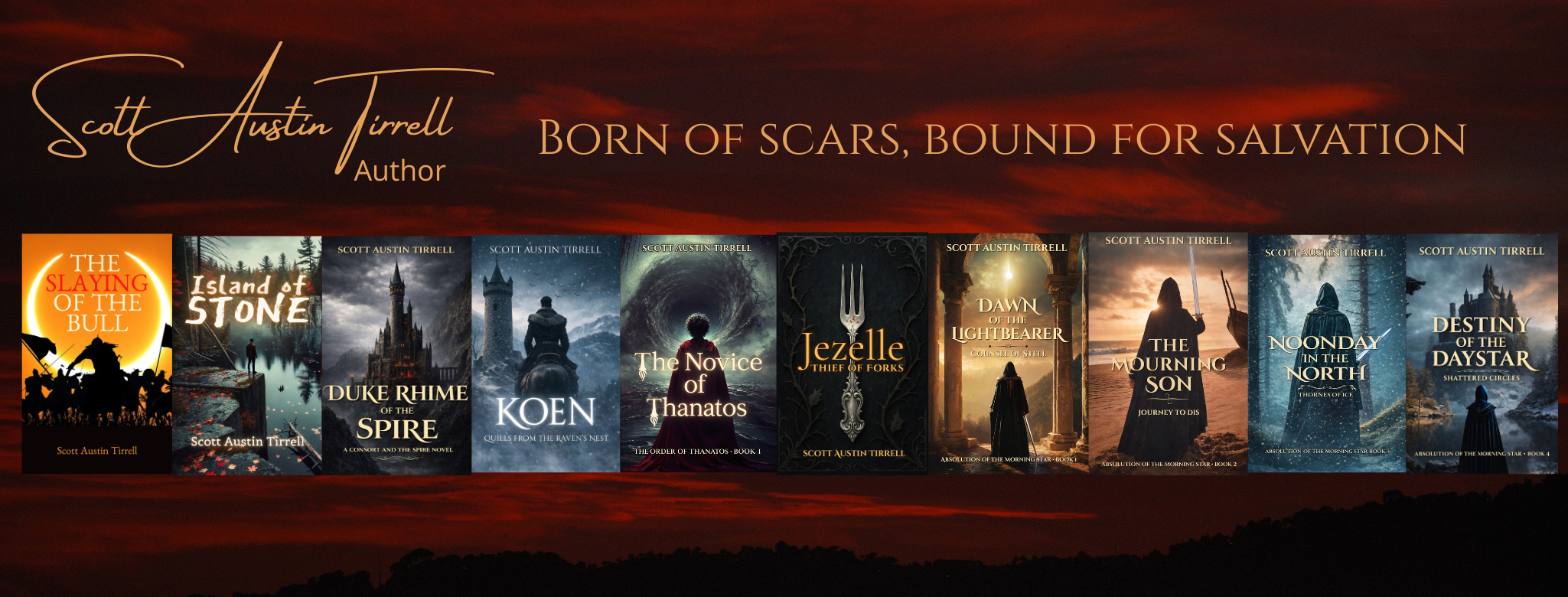
In my own writing journey, I found that telling stories from the past is not the best way to gain readership. The historical fiction market isn’t huge, and those that do read it can be a trifle difficult to please. I recently made my second published book, The Slaying of the Bull, free on Amazon. It is mostly a work of historical fiction, with just a bit of fantasy. As you will see below, that will already ruffle some feathers. I promoted this deal on Facebook, Twitter, Linkedin, my work circle, and on this site- literally thousands of people. I received a whopping 14 downloads of the book. I wasn’t expecting huge numbers, but only 14? Ouch! Granted, I only made it free for a day to test the waters, but man, the waters were cold indeed!
Why did I make it free? Well, my goal was to get some more positive reviews to counteract a one-star troll rating. The reader seems to be angry my book wasn’t a purest historical fiction. It’s listed on Amazon as historical fantasy, but that didn’t seem to help. The book is largely historically based, but I added a bit of what-if and mystery there. Fans of historical fiction are very protective of the history and I get that, but it was always my intention to add a bit of paranormal spice in the mix. In any event, this person rattled my confidence as a writer and sabotaged my chances right out of the gate. It took me a long time to build up the courage to reach out for more readers by making The Slaying of the Bull free. Unfortunately, I doubt I will get many reviews from just 14 downloads. It almost makes me want to give up on the Tocharian Gospels series, mark it as a failure, and move on to other things.
The problem is, I love history, and it is an unconditional love. Ancient mysteries, past calamities, political struggles, and epic battles intrigue me beyond belief. But it doesn’t even need to be profound to capture my imagination. I’ve found myself engrossed in researching my own little hometown’s past and have spent hours trying to trace my genealogy. In the quest to be accurate to the 13th century, I have researched food, clothing, architecture, engineering, medicine, farming, you name it and I loved every minute of it! I feel that history provides a beautiful framework where imagination can thrive by filling in the gaps. There are so many what-ifs, untold stories, and miraculous connections out there to play with. Writing about the past also offers a host of problems to solve, especially in communication and travel. It isolates the characters more, making little inconveniences of today into profound personal struggles. If someone is late for a medieval meeting, they can’t just call or send a text to let everyone know why they aren’t there. For the others in the meeting, they immediately fear the worse. The mystery that instills can be a fantastic thing to experiment with as a writer.
I also love The Slaying of the Bull’s characters and story. About a month ago, I decided to begin writing its sequel instead of continuing the Island of Stone‘s saga (see the full story here). The Island of Stone is a modern-day paranormal thriller and has always been easier to sell. It has more reviews, sold more copies, and has pretty substantial Kindle Unlimited reads. I know that it is probably where the audience is, but my passion for continuing the story isn’t there yet. It will come in time, but my heart is currently with the Tocharian Gospels series and seeing where Isa’s journey will take him. It’s a difficult choice, but I need to follow my heart and get the story down even if no one wants to read it. Otherwise, it will plague me nights and find other ways to creep into my writing.
The sage advice says to follow our passions and success will come, and thus that is what I will do. It might just be that I need to get this story out of me so that my imagination can go onto bigger, better, and more marketable ideas. I hope that’s the case because Isa’s story is going to be a long one. But this is not a complete lost cause. I’m writing a lot and the most important thing as a writer is to write! I’m improving my craft, and each word down on the page makes me just a little bit better. Someday, it will all pay off!
Cheers!
Discover more from Author Scott Austin Tirrell
Subscribe to get the latest posts sent to your email.

There are so many subgenres of historicals … and you would think that would make them of greater interest to people. I have a historical paranormal with elements of reincarnation that I am so proud of that it isn’t even funny … and am doing a second one with a different historical era and location. Still, it does seem to be an uphill battle against space opera and contemporary romance for readers’ attention.
I feel your pain … but I also believe we must tell the stories that speak to us most loudly rather than trying to “write to market.” People can tell when your heart really isn’t in the tale you’re telling.
LikeLiked by 2 people
Thanks for the reassurances Sharon! I agree. You must follow where the story takes you.
LikeLiked by 2 people