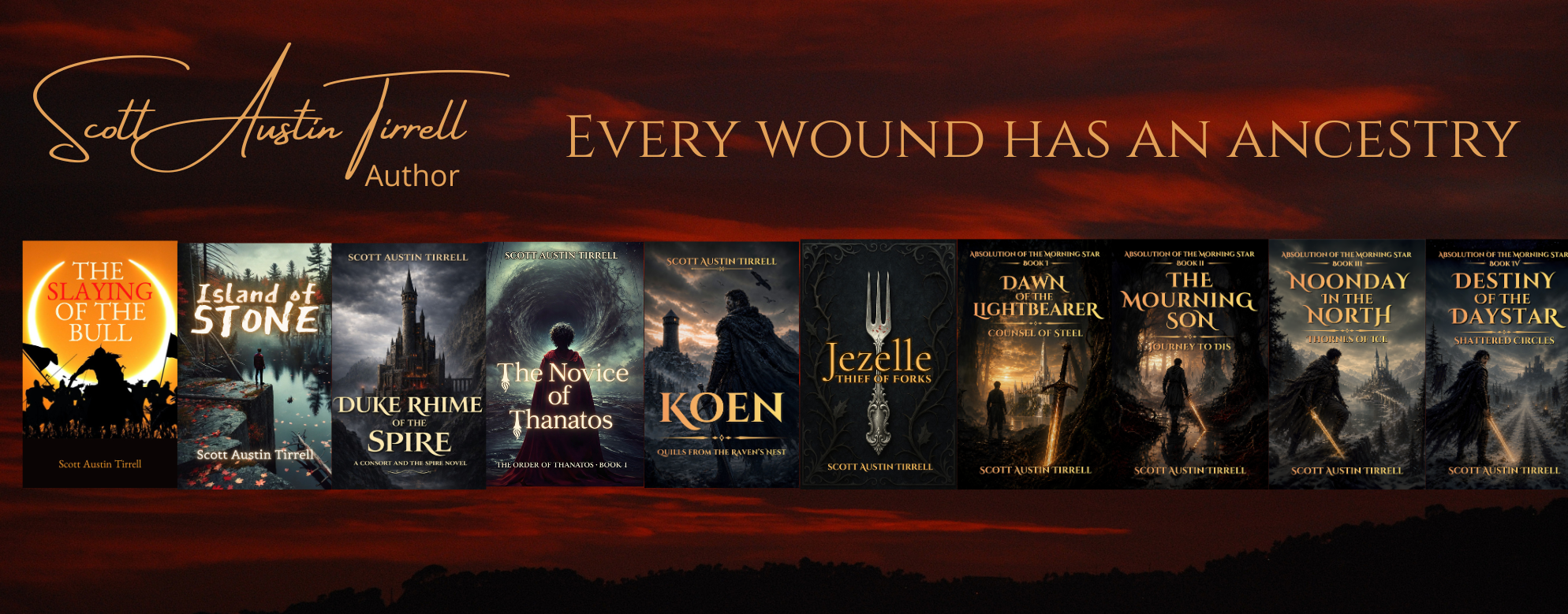

For this week’s Flashback Friday, I’m going back to July 2021, when I wrote my first “year in review” post about self-publishing. At that point, I had been doing this for exactly one year and was already trying to understand what I had done wrong, what I had learned, and what I needed to change if I wanted to make any of it work.
Reading it now, five years later, is a strange experience.
Some of what I wrote was dead on. I had already figured out that discoverability was the real battle, that giving books away rarely creates lasting readers, that Amazon was never going to care about my success, and that most publishing advice should be taken with a very large grain of salt.
I also understood fairly early, and still believe today, that successful authors often mistake the path that worked for them for the path. They tell you to build a newsletter, run ads, master keywords, grow your social media, give away the first book, find influencers, or follow whatever strategy happened to work for them. Some of that advice is useful. None of it is a guarantee.
Where I was more naïve was in believing that if I kept learning, kept experimenting, built a larger audience, improved my marketing, and approached writing more like a business, I would eventually figure out the formula.
That part is harder to read now because I did all those things, and I am still very much in the dark. Apparently, that formula is a Nobel Prize kind of equation.
Over the next five years, I built the website, grew my social media accounts, studied keywords, tested advertising, tracked rankings, changed covers, rewrote blurbs, improved my craft, published more books, tried traditional publishing, took rights back, and kept experimenting. Some things helped for a while. Some did absolutely nothing. A few probably hurt more than they helped.
The formula never appeared.
That doesn’t mean I think the past five years were wasted. Far from it. My books are better. My understanding of publishing is better. Lucardia is larger, deeper, and far more interconnected than I imagined it would become when I wrote that first year-in-review post. I also understand my own work much better than I did then.
What has changed most is my understanding of what can actually be controlled.
I can control the quality of the book. I can control how seriously I edit it, how I present it, how much thought I put into the cover and description, and how persistently I try to get it in front of people. What I cannot control is whether Amazon decides to show it to the right reader, whether a social-media post reaches anyone, whether an advertisement converts, or whether a reader who would love the book ever happens to discover it.
Five years ago, I thought most of those things were problems I simply had not yet learned to solve. Today, I think some of them can be improved, some can be managed, and some may never have had a clean solution in the first place.
That is probably the biggest difference between the writer who wrote this post in 2021 and the writer rereading it today.
Still, I have to give that younger version of myself some credit. He was only one year into self-publishing, and he had already figured out more than I remembered.
You can read the original post here:
Discover more from Author Scott Austin Tirrell
Subscribe to get the latest posts sent to your email.
